REPYR-SC1 Dark Spot Corrector: Why Spots Return
📅 June 6, 2026
 Physicians Grade Research Team
Scientific Research & Quality Assurance
Physicians Grade Research Team
Scientific Research & Quality Assurance
📅 June 6, 2026
Physicians Grade Research Team
Scientific Research & Quality Assurance
dark spots keep coming back – The Frustrating Cycle: Why Dark Spots Seem to Have a Mind of Their Own
You’ve been diligent with your skincare routine. You’ve seen progress. Those stubborn dark spots appeared to fade, giving you hope that your skin was finally evening out. Then, seemingly out of nowhere, they’re back – sometimes even darker than before. This frustrating cycle leaves many wondering what went wrong and whether clear, even-toned skin is truly achievable.
The reality is that dark spots, also known as hyperpigmentation, are among the most persistent skincare concerns. Understanding why they return is crucial for developing an effective long-term strategy. The answer often lies not just in what you’re doing, but in the underlying mechanisms that create these discolorations in the first place.
The Science Behind Recurring Dark Spots
Dark spots form when melanocytes, the cells responsible for producing melanin, become overactive. This overproduction can be triggered by various factors including sun exposure, hormonal changes, inflammation, and genetic predisposition. What makes these spots particularly stubborn is that once melanocytes become hyperactive, they can remain in this state long after the initial trigger has been removed.
Many people focus solely on removing existing pigmentation without addressing the ongoing production of excess melanin. This approach is like trying to empty a bathtub while the faucet is still running. Traditional treatments often target the visible symptoms rather than the cellular processes that perpetuate the problem.
Additionally, incomplete treatment cycles contribute to the return of dark spots. Melanin production occurs in the deeper layers of the skin, and it takes time for new, evenly pigmented cells to reach the surface. Stopping treatment too early means that pigmented cells in the pipeline will eventually surface, making it appear as though the dark spots have returned when they were simply working their way up through the skin layers.
Environmental Factors That Perpetuate the Problem
Sun exposure remains the primary culprit in the recurring dark spot cycle. Even minimal UV exposure can reactivate dormant melanocytes, causing previously faded spots to darken again. This is why many people notice their dark spots becoming more prominent during summer months, even when using sunscreen.
Inflammation from various sources can also trigger melanin production. This includes not only obvious irritants like harsh skincare products or aggressive treatments, but also subtle inflammatory responses from pollution, stress, and even certain foods. The skin’s inflammatory response can stimulate melanocyte activity, leading to new pigmentation or the darkening of existing spots.
Hormonal fluctuations represent another significant factor. Changes in estrogen and progesterone levels, whether from pregnancy, menstrual cycles, or hormone therapy, can stimulate melanin production. This explains why conditions like melasma often fluctuate with hormonal changes and why some people notice their dark spots varying in intensity throughout different life stages.
The Role of Advanced Botanical Ingredients in Breaking the Cycle
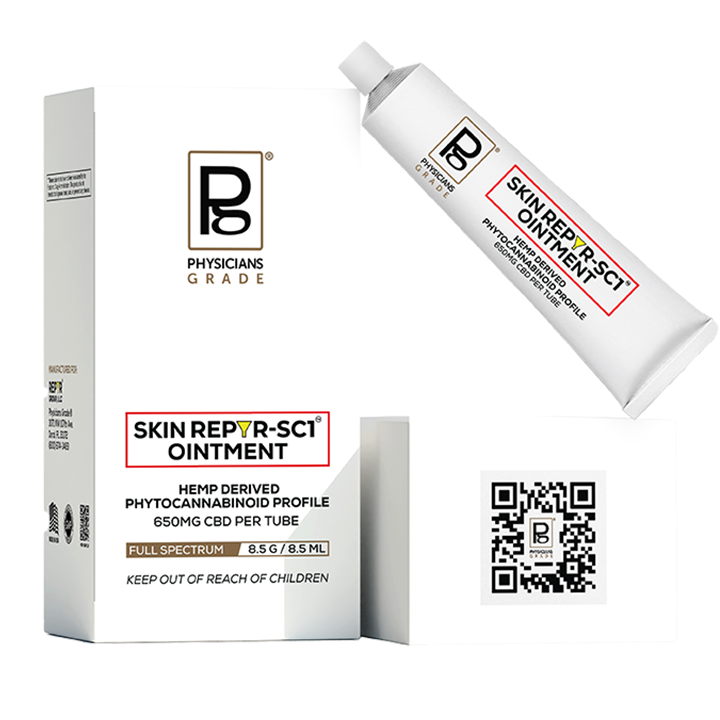
Modern skincare science has identified several plant-based compounds that can address multiple aspects of hyperpigmentation simultaneously. The REPYR-SC1 Dark Spot Corrector represents an advanced approach that combines multiple mechanisms of action to target both existing pigmentation and the processes that lead to its recurrence.
Phytocannabinoids, particularly those found in hemp oil, have emerged as promising ingredients for addressing skin inflammation and supporting cellular repair processes. These compounds work through the skin’s endocannabinoid system, which plays a role in regulating various cellular functions including inflammation response and skin barrier maintenance. By supporting the skin’s natural regulatory mechanisms, phytocannabinoids may help create an environment less conducive to excessive melanin production.
Niacinamide, a form of vitamin B3, has been extensively studied for its ability to interfere with the transfer of melanin from melanocytes to surrounding skin cells. This ingredient doesn’t just fade existing pigmentation; it can also help prevent new dark spots from forming by interrupting the pigmentation process at the cellular level. Additionally, niacinamide supports skin barrier function and has anti-inflammatory properties that address some of the underlying triggers for hyperpigmentation.
Synergistic Ingredients for Comprehensive Treatment
Effective dark spot treatment often requires a multi-pronged approach that addresses different aspects of the pigmentation process. Alpha arbutin, derived from bearberry plants, works by inhibiting tyrosinase, an enzyme essential for melanin production. Unlike some synthetic alternatives, alpha arbutin provides gentle yet effective tyrosinase inhibition without causing irritation that could trigger further inflammation.
Kojic acid, produced by certain fungi, offers another pathway for addressing hyperpigmentation. This ingredient not only inhibits tyrosinase but also has antioxidant properties that help protect against free radical damage – a factor that can contribute to skin aging and pigmentation issues. The combination of kojic acid with other brightening ingredients creates a comprehensive approach to pigmentation control.
The inclusion of nourishing oils like rosehip and baobab seed oil serves multiple purposes beyond simple moisturization. These oils contain essential fatty acids and antioxidants that support skin barrier function and provide protection against environmental stressors. A healthy, well-maintained skin barrier is less susceptible to the inflammatory triggers that can lead to recurring dark spots.
The Importance of Consistency and Patience
One of the most common reasons dark spots return is inconsistent treatment application. Skin cell turnover typically takes 28-40 days, and visible improvements in hyperpigmentation often require several turnover cycles. The REPYR-SC1 Dark Spot Corrector is formulated for twice-daily use, recognizing that consistent application is crucial for maintaining the cellular processes that prevent pigmentation recurrence.
Many people make the mistake of discontinuing treatment once they see initial improvement. However, truly addressing hyperpigmentation requires continued support of the skin’s natural regulatory mechanisms. This doesn’t necessarily mean using the same intensive treatment indefinitely, but rather maintaining some level of protective and corrective care to prevent the reactivation of overactive melanocytes.
The gentle formulation of advanced botanical correctors allows for long-term use without the irritation associated with some traditional brightening agents. This is particularly important because irritation from overly aggressive treatments can actually trigger the inflammatory response that leads to post-inflammatory hyperpigmentation – essentially creating the very problem you’re trying to solve.
Lifestyle Factors That Support Treatment Success
While topical treatments form the foundation of dark spot management, lifestyle factors play a crucial supporting role. Adequate sleep supports healthy skin cell turnover and helps regulate the hormonal fluctuations that can trigger melanin production. Chronic sleep deprivation can increase cortisol levels, which may contribute to skin inflammation and pigmentation issues.
Diet also influences skin health and pigmentation. Foods rich in antioxidants, particularly vitamin C, vitamin E, and polyphenols, can help protect against the oxidative stress that contributes to hyperpigmentation. Conversely, high glycemic foods and dairy products may trigger inflammatory responses in some individuals, potentially exacerbating pigmentation issues.
Stress management deserves special attention in any comprehensive approach to hyperpigmentation. Chronic stress elevates cortisol levels and can trigger inflammatory cascades that stimulate melanin production. Incorporating stress-reduction techniques such as meditation, regular exercise, or other relaxation practices can provide valuable support for your skincare efforts.
Creating a Comprehensive Dark Spot Prevention Strategy
Preventing dark spots from returning requires a multifaceted approach that addresses both active treatment and ongoing protection. Sun protection remains paramount, but it’s important to understand that this means more than just applying sunscreen. Seeking shade during peak UV hours, wearing protective clothing, and using broad-spectrum sunscreen with adequate SPF are all essential components of a comprehensive protection strategy.
The timing of product application can also impact effectiveness. Many brightening ingredients work best when applied to clean skin, allowing for optimal absorption. The REPYR-SC1 Dark Spot Corrector is designed to be applied after cleansing and can be used on face, hands, chest, and body, making it versatile for addressing hyperpigmentation wherever it occurs.
Regular skin assessment can help you identify changes early and adjust your approach accordingly. Taking progress photos in consistent lighting can help you track improvements and notice any areas where pigmentation might be returning. This allows for prompt intervention rather than waiting until dark spots have fully re-emerged.
Understanding Realistic Expectations
Setting appropriate expectations is crucial for long-term success with dark spot treatment. While significant improvement is achievable, the goal should be overall skin health and tone evenness rather than perfection. Skin naturally varies in pigmentation, and some degree of variation is normal and healthy.
The timeline for seeing results can vary significantly based on factors such as skin type, the severity of hyperpigmentation, and individual cellular turnover rates. Some people may notice improvements within a few weeks, while others may require several months of consistent treatment. Understanding this variability helps maintain motivation during the treatment process.
It’s also important to recognize that maintenance will likely be an ongoing requirement. Just as we continue to use sunscreen to prevent sun damage, addressing hyperpigmentation often requires continued vigilance and care. The key is finding a routine that is both effective and sustainable for your lifestyle and skin type.
The Memory Effect: How Your Skin Remembers Past Damage
One of the most overlooked reasons dark spots keep returning is your skin’s biological memory system. Deep within the dermal layers, melanocytes that have been previously triggered to overproduce pigment remain in a heightened state of sensitivity. Think of these cells as having an alarm system that’s been permanently set to “high alert.”
Even after surface-level dark spots fade through treatment, the underlying cellular machinery remains primed to react. This means that triggers which might barely affect normal skin – a brief moment of sun exposure, minor inflammation from a breakout, or even hormonal fluctuations – can instantly reactivate pigment production in these sensitized areas.
This explains why dark spots often reappear in the exact same locations, sometimes within weeks of seeming to disappear completely. The cellular memory can persist for months or even years, making these areas perpetually vulnerable to re-pigmentation. Understanding this biological reality helps explain why preventing dark spots requires a fundamentally different approach than simply treating existing ones.
When dark spots keep returning despite your best efforts, it’s often because the underlying causes haven’t been fully addressed or your skin care routine needs adjustment. This persistent issue typically occurs when melanin production continues to be triggered by factors like inconsistent sun protection, hormonal fluctuations, or using products that are too harsh and cause inflammation. A comprehensive approach that combines gentle yet effective active ingredients with religious sunscreen use and patience for skin cell turnover cycles usually yields the most lasting results.